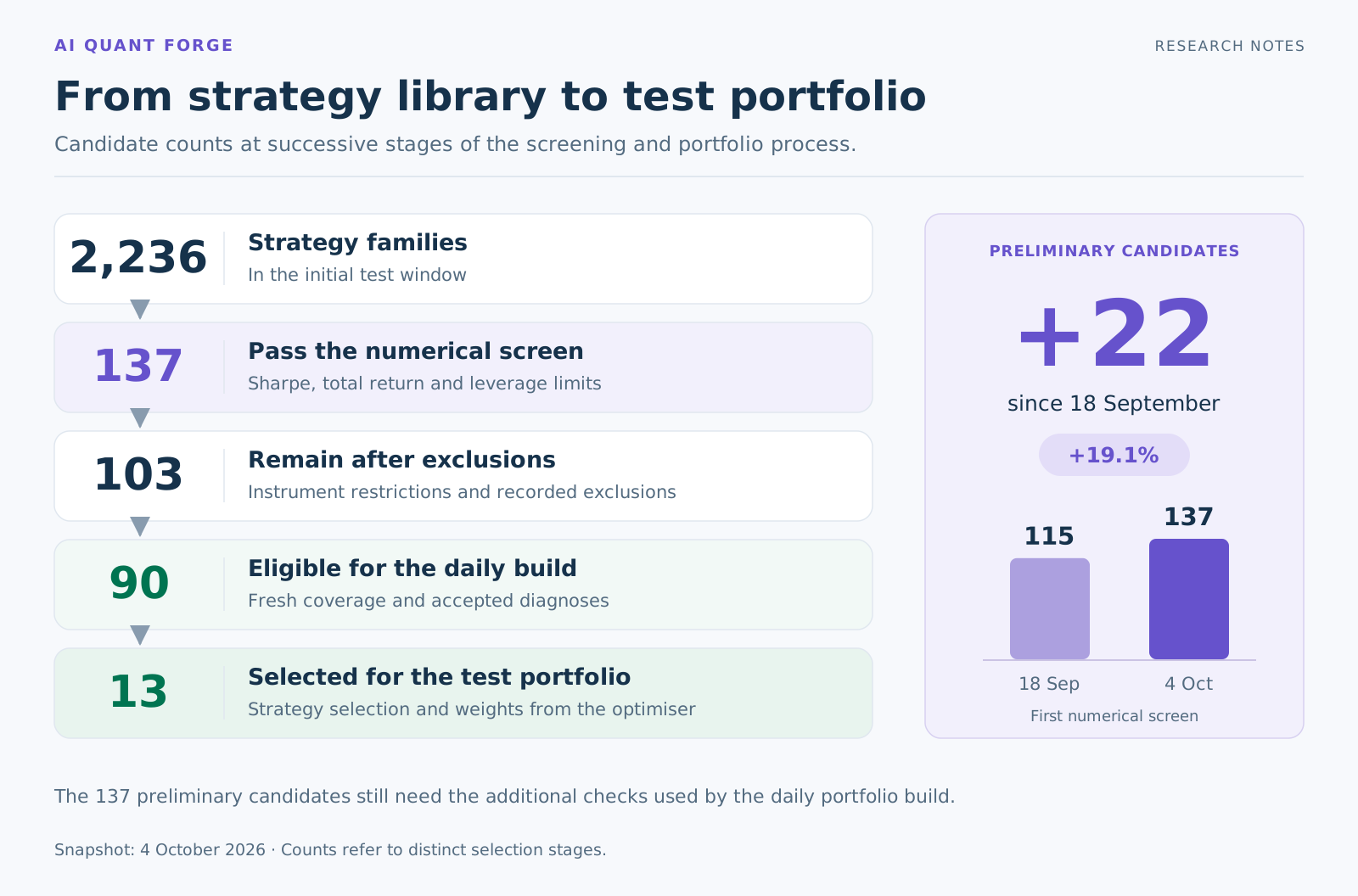
Since our 18 September update, the pool of preliminary strategy candidates at AI Quant Forge has grown from 115 to 137. That is 22 more candidates, an increase of 19.1% in just over two weeks. These are strategies that pass the initial numerical screen; further checks determine which can be considered for the portfolio.
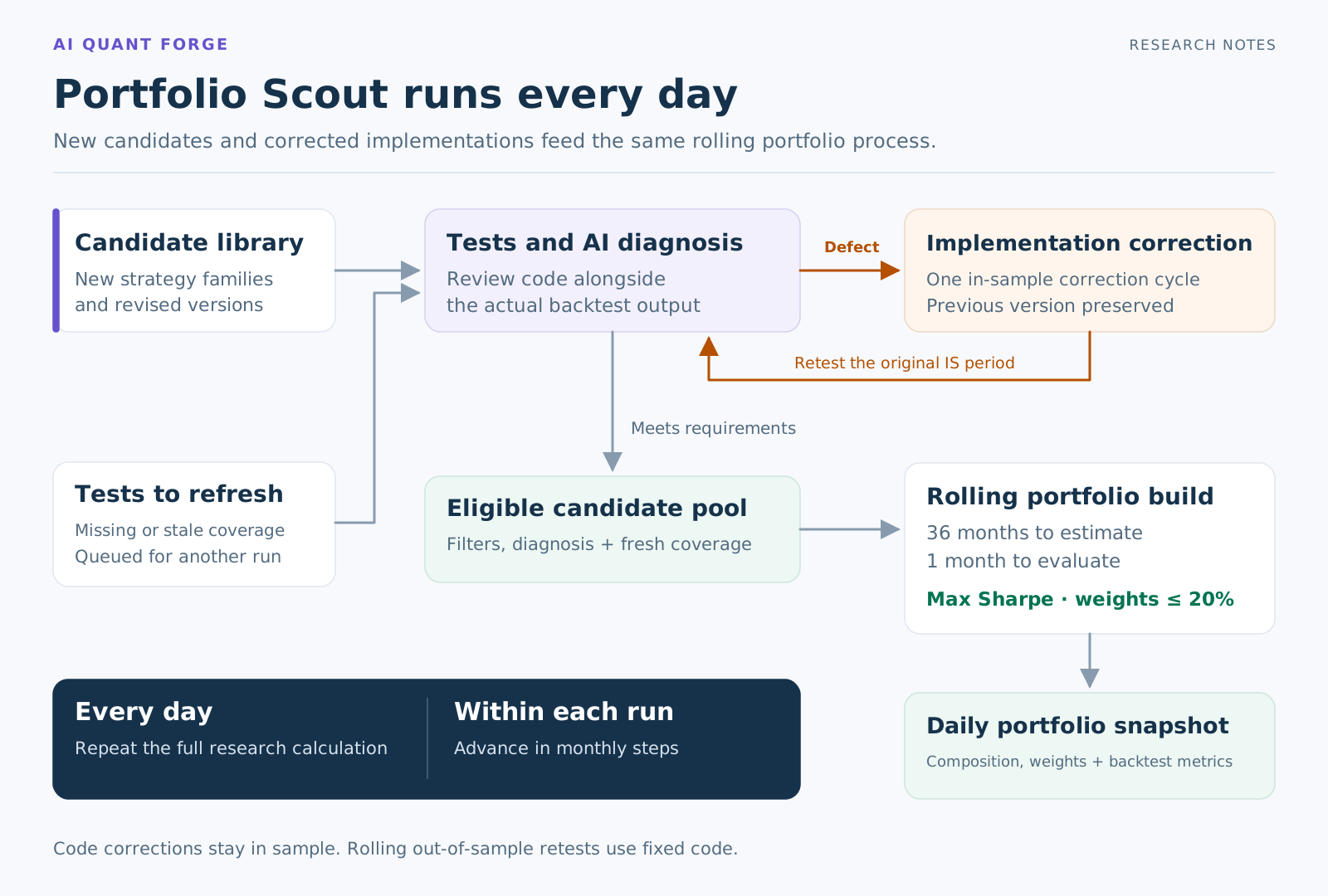
We spent last week testing Portfolio Scout, which now picks up new candidates from our research pipeline and reruns the rolling portfolio calculation every day. It also schedules the checks, corrections and retests needed before a candidate can be included.
Reviewing candidates and fixing errors
Scout keeps the versions of each strategy together and checks whether its backtests cover the required periods. Candidates with missing or outdated tests are queued for testing on the same basis as the rest of the pool.
The AI reviewer reads the code alongside the backtest output, checking whether the recorded trades and returns are consistent with the strategy’s rules. A run can finish successfully and still contain an implementation error. The reviewer records its findings and flags defects for correction.
When a defect is flagged, Scout can send the strategy through one correction attempt and a new test on the original in-sample period. We keep the previous version. A strategy that follows its rules and loses money remains a valid negative result, so poor returns alone do not trigger another rewrite.
Code corrections are made at the in-sample stage. Rolling out-of-sample retests use fixed code. Candidates with unresolved implementation defects or insufficient test coverage stay out of the daily portfolio build.
Running the rolling portfolio calculation each day
The portfolio construction logic is the same rolling walk-forward process described in Building the AIQ Strategy Portfolio.
For each monthly step, we take the preceding three years of daily returns and exclude strategies with a Sharpe ratio below 0.5 on that window. We calculate weights using Max Sharpe mean–variance optimisation, with a 20% cap per strategy, then evaluate that allocation over the following month. The window advances by one month and we repeat the calculation.
Each daily run starts with a fixed candidate pool and repeats this whole monthly walk-forward calculation. Newly qualified strategies and corrected versions can enter the next day’s run. The portfolio construction rules and the monthly allocation steps stay the same.
Current candidates and daily snapshots
As of 4 October, the initial test window covers 2,236 strategy families. Of those, 137 pass the numerical screen, and 103 remain after instrument and exclusion filters.
The latest daily optimisation used 90 candidates that also met its diagnosis and test-coverage requirements. It selected 13 strategies for the test portfolio.
Each build saves the selected strategies, their weights and the historical test results. On the charts, each date refers to a portfolio build. Sharpe, beta and gross leverage describe the backtest of that version; forward performance is tracked separately.
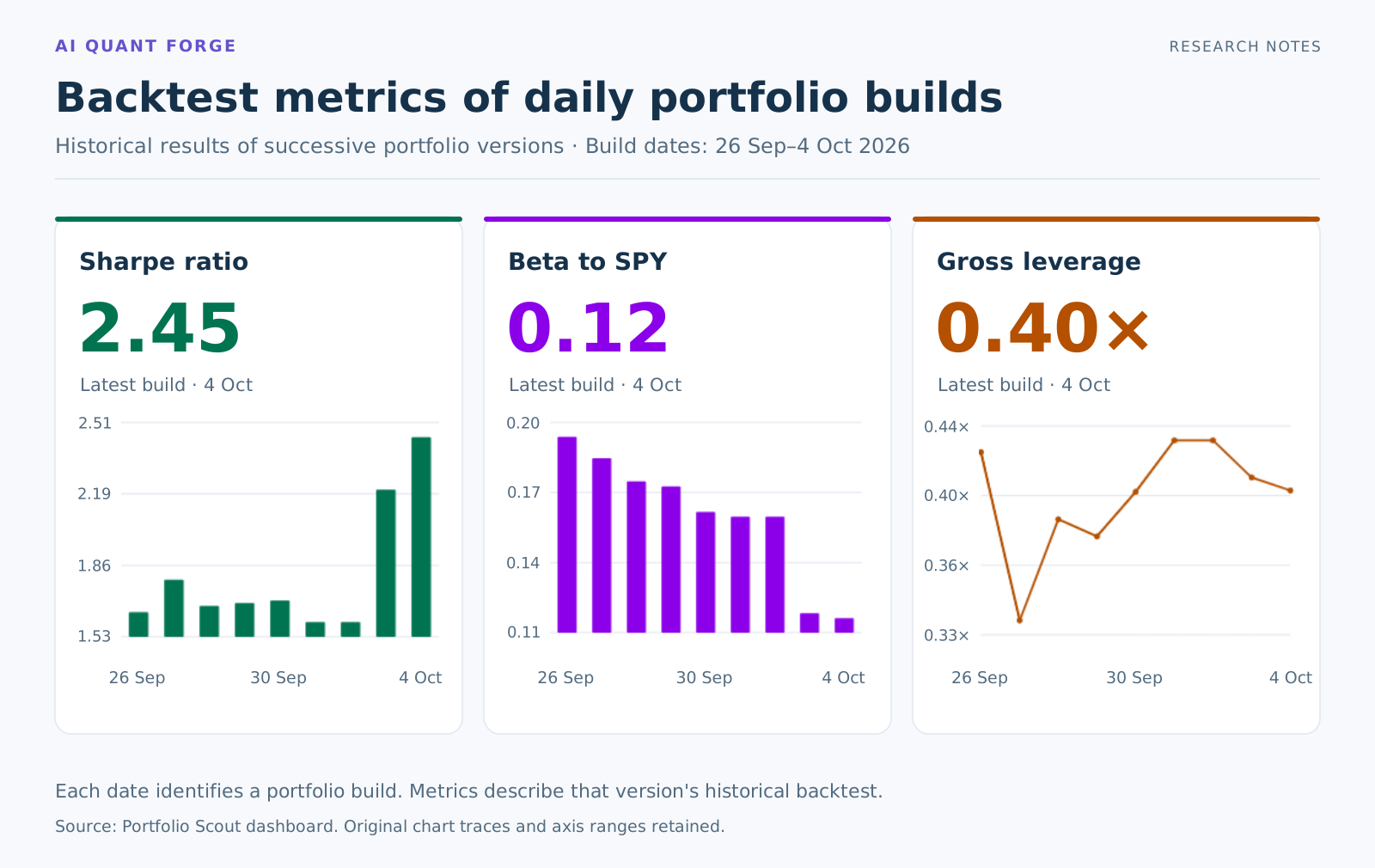
The first few days shown on the charts were test runs with a limited candidate pool. We were still working through fixes, so differences between those early snapshots and the later builds can also reflect changes made during testing.
The daily cycle now seems to be working as intended.